
- A Nigerian lady has sparked heated debate online after claiming that public outrage over insecurity would have been louder if an Igbo man was Nigeria’s president.
- Her comments about pastors, protests, and ethnic bias in leadership criticism quickly divided social media users across different political and ethnic lines.
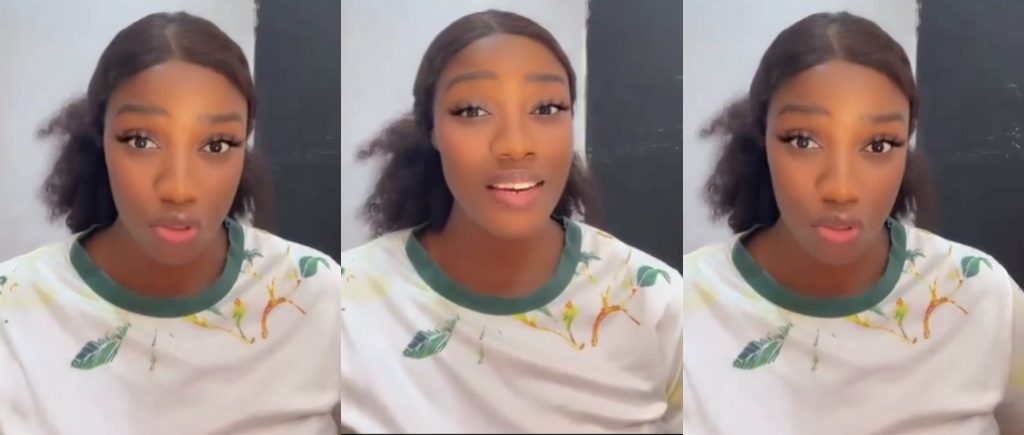
A Nigerian lady has gone viral after claiming that public reactions to insecurity in the country would have been completely different if an Igbo man was currently serving as president.
The woman made the statement during an online discussion on insecurity and national leadership, where she accused many Nigerians, including religious leaders, of remaining silent despite worsening security challenges across the country.
According to her, influential figures who are usually outspoken during periods of national crisis have suddenly become quiet because of the current political leadership.
She said:
“If it was an Igbo man that was the president of the country and the country was facing this level of insecurity we have now, Nigerians would have flooded the streets with protest.”
She further added:
“Pastors and Daddy G.Os would have been calling him names from the pulpit, but now all of them have gone mute and silent. Everybody knows what they are doing.”
Her comments quickly gained traction online, triggering intense conversations about ethnicity, politics, religion, and leadership accountability in Nigeria.
While some social media users agreed with her claims, arguing that ethnic sentiments often influence political criticism in Nigeria, others disagreed and insisted that insecurity has remained a long-standing national problem regardless of who occupies the presidency.
The debate also reignited conversations about the role of religious leaders during national crises, with many Nigerians questioning whether some influential voices selectively speak out depending on political interests or ethnic affiliations.
Nigeria has continued to witness recurring debates over leadership, insecurity, and ethnic representation, especially during periods of rising violence and economic hardship.

Regards to what that lady is talking about insecurities. She is definitely right we all know what and who is our problem in this country. Not that we don’t have people who can stop all this calamity but no instead of them doing the needful they are not doing anything about it at list if you can’t do anything say something I know we have the right and freedom of speech but are we really free? Are we??