
- Nigerian singer Portable criticizes the tendency to link all Fulani people with criminal behavior.
- He urges Nigerians to avoid generalizing an entire ethnic group based on the actions of a few individuals.
- Portable highlights that many innocent Fulani individuals face unfair judgment due to their appearance and cultural identity.
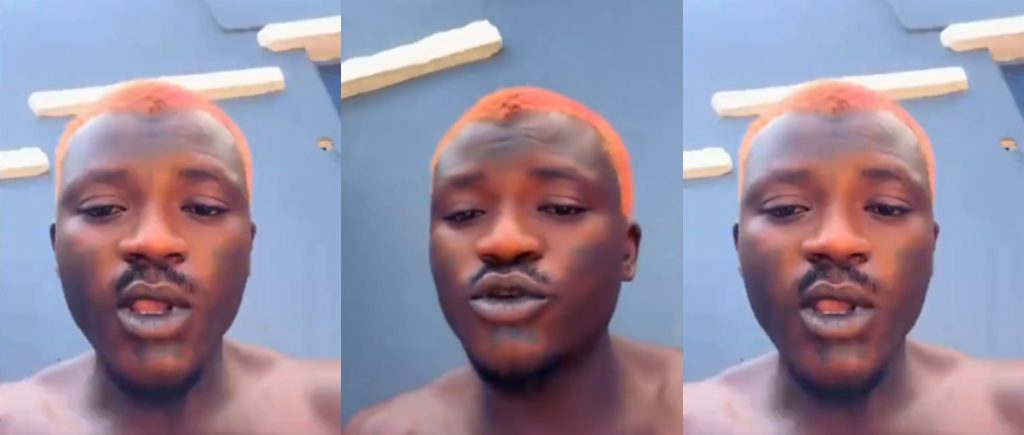
Controversial Nigerian singer, Portable, has spoken against the growing tendency to associate all Fulani people with criminal activities, urging Nigerians to avoid generalising an entire ethnic group because of the actions of a few individuals.
The musician stated that many innocent Fulani people are often unfairly judged simply because of their appearance, mode of dressing, or cultural identity. According to him, such assumptions can be dangerous and may result in innocent people being wrongly accused or targeted.
Appealing to the public, Portable said, “Please, let’s stop making mistakes by labelling all Fulani as bandits. Me, I am not included. Because you see a squad of Fulani inside a bus, you will just conclude that they are bandits. They are not bandits.”
He explained that Fulani communities, like other ethnic groups in Nigeria, are made up of people engaged in different legitimate occupations and lifestyles.
“Some are Hausa, some are their families, Fulani. Some are rearing cows, some sell pepper, and others are into business,” he said.
Portable further pointed out that Nigeria’s diverse population is spread across different regions, noting that members of various ethnic groups live and work outside their ancestral homes. He cited the presence of Fulani people in the South-West and Yoruba and Igbo communities in Northern Nigeria as examples.
Addressing the issue of insecurity, the singer stressed that efforts should be directed at actual criminals rather than innocent citizens who may share similar appearances or cultural backgrounds with offenders.
“Let’s fight bandits. Let’s face bandits. It’s not about beating anyone you see that looks like Fulani. No. They can be dressing like them. Yoruba is among them, Igbo is among them, Hausa is among them, Fulani is among them. All tribes are among them,” he added.
His remarks have generated mixed reactions on social media, with some Nigerians supporting his call against ethnic profiling, while others expressed different views on the matter.
The comments come amid continued national conversations on insecurity and the need to tackle criminality without unfairly stereotyping any ethnic group.
Leave a Reply