
- The Nigeria Labour Congress (NLC) has rejected the proposed N100,000 national minimum wage currently being considered by state governors, describing it as inadequate.
- The union argued that inflation, rising living costs, and declining purchasing power have made the figure insufficient for Nigerian workers.
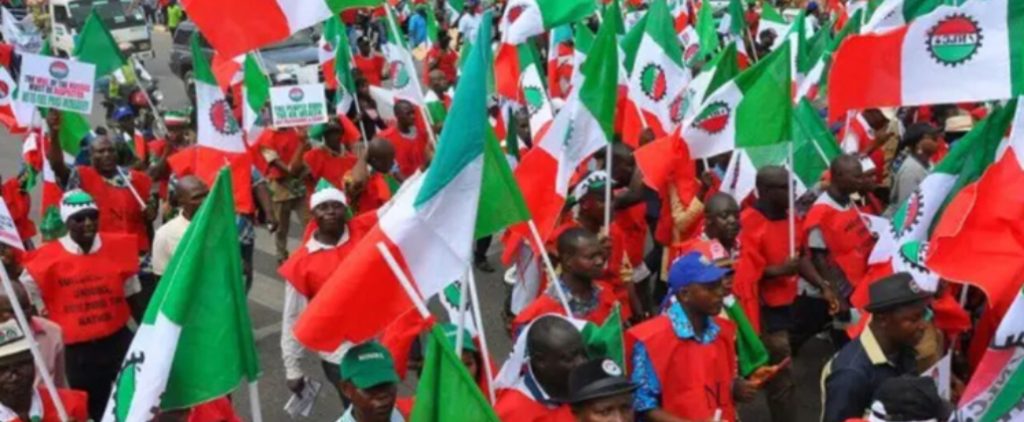
The Nigeria Labour Congress (NLC) has dismissed the proposed N100,000 national minimum wage currently being discussed by state governors, insisting that the amount is insufficient to meet the needs of Nigerian workers amid worsening economic conditions.
The reaction was made by NLC spokesperson Benson Upah, who argued that inflation, currency depreciation, and the rising cost of living have significantly reduced the value of workers’ earnings.
The debate follows comments by the Chairman of the Nigeria Governors’ Forum and Governor of Kwara State, AbdulRahman AbdulRazaq, who revealed that governors are reviewing a possible adjustment to the national minimum wage, with N100,000 being considered.
According to AbdulRazaq, the proposal is being examined in response to the harsh economic realities facing workers across the country, including inflation and increasing living expenses.
He added that consultations are ongoing among state governments, the Federal Government, and organised labour to ensure that any new wage structure is fair to workers while remaining sustainable for public finances.
However, the NLC strongly disagreed with the proposed figure.
While acknowledging the governors’ willingness to revisit workers’ wages, Upah maintained that N100,000 does not accurately reflect the current cost of living in Nigeria.
He noted that workers are struggling with fuel price increases, higher electricity tariffs, inflation, and declining purchasing power, all of which have placed significant pressure on household incomes.
The labour leader further argued that a more realistic wage should reflect the severity of the economic hardship currently being experienced by workers nationwide.
According to him, a monthly wage closer to N1 million would be more appropriate based on present economic realities and the rising cost of essential goods and services.
Upah also pointed to improvements in government revenue, including allocations distributed through the Federation Account Allocation Committee (FAAC), arguing that increased revenue should translate into better welfare for workers.
The disagreement comes amid growing calls for another review of wages following the removal of fuel subsidies and the floating of the naira, policies that have contributed to higher transportation costs, food prices, and living expenses.
Nigeria’s current minimum wage of N70,000, approved in 2024 after lengthy negotiations between labour and government, has continued to face criticism from labour unions, which argue that inflation has already eroded much of its value.

Leave a Reply