
- Prof. Sam Amadi, has argued that all Nigerians should be free to seek political office anywhere in the country, regardless of their ethnic background.
- Speaking on citizenship and national integration, Amadi maintained that Igbos and other ethnic groups have equal political rights across Nigeria and should not be discouraged from pursuing leadership positions outside their ancestral homelands.
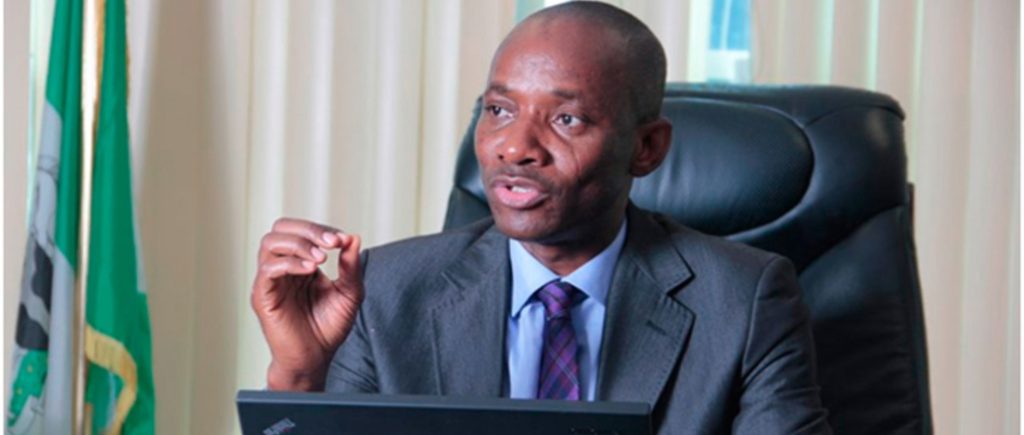
Former chairman of the Nigerian Electricity Regulatory Commission (NERC), Prof. Sam Amadi, has insisted that Nigerians should be free to seek political office anywhere in the country, regardless of their ethnic background, stressing that Igbos have the right to contest for the highest positions in Lagos.
Speaking on issues of citizenship, integration and national unity, Amadi warned against treating any ethnic group as second-class citizens in Nigeria.
“You cannot tell Igbos that they should not vie for the biggest office in Lagos because they are not Yoruba people. That’s an error,” he said.
According to him, the principle of common citizenship means every Nigerian enjoys equal rights across the country.
“The idea of common citizenship is that we are all citizens of Nigeria. We can’t be less citizen in Sokoto,” he stated.
Amadi, however, distinguished between cultural rights and legal rights, arguing that while non-indigenes may not lay claim to traditional institutions in their host communities, they retain full political and civic rights.
“An Igbo man who has built his business, who says ‘I want to represent Apapa,’ has a right. And the people have a right to choose him or not,” he said.
He urged young Igbos not to live in fear of backlash while pursuing legitimate opportunities and political aspirations.
“We should be wise, respectful and tolerant, but we must be assertive. We must be clear that we are part of Nigeria,” Amadi said.
The former NERC chairman argued that national integration cannot succeed if citizens are discouraged from developing a sense of belonging outside their ethnic homelands.
He also lamented what he described as growing perceptions of ethnic discrimination among young Nigerians, noting that many increasingly believe opportunities are determined by tribe rather than merit.
According to him, strengthening the principle of equal citizenship remains essential to fostering unity, inclusion and long-term national development.
Leave a Reply