
- Chief of Defence Staff Christopher Musa says Nigeria only rehabilitates and reintegrates individuals who were forced into terrorist groups, not active combatants responsible for attacks.
- He maintained that perpetrators of terrorist crimes are investigated and prosecuted, while victims coerced into insurgent camps receive rehabilitation and support.
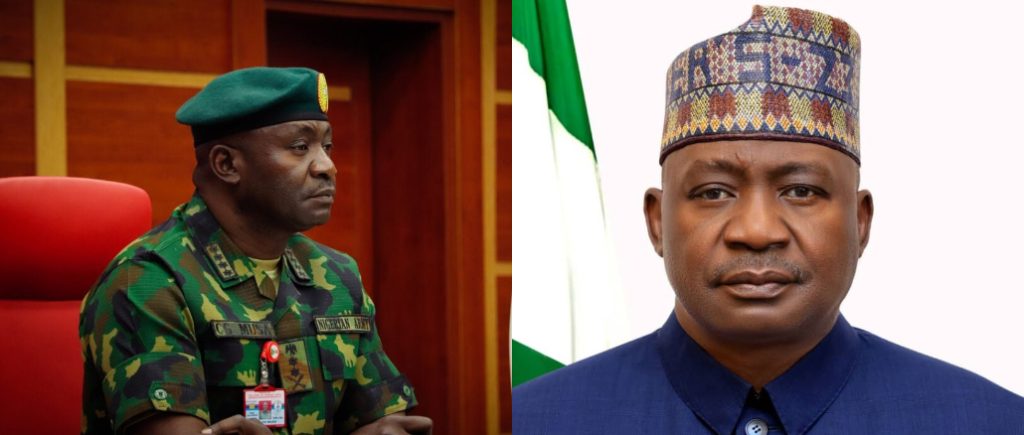
Chief of Defence Staff Christopher Musa has defended Nigeria’s deradicalisation and reintegration programme for former insurgents, insisting that those being rehabilitated are not hardened terrorists but individuals who were forced into terrorist groups against their will.
Speaking on Operation Safe Corridor, Musa explained that international law requires surrendered fighters to be treated humanely and that authorities carefully distinguish between those coerced into joining insurgent groups and individuals directly responsible for terrorist attacks.
According to him, security agencies identified three major categories of people emerging from insurgent camps: those forced to join under threat of death, civilians used as farmers and labourers by insurgents, and active combatants who participated in attacks.
Musa stated:
“The terrorists we rehabilitate and reintegrate into society are those forced into terrorism under duress, not combatant terrorists.”
The defence chief explained that many of those enrolled in the programme became involved after insurgents invaded their communities and gave them an ultimatum to either join the group or face death.
He stressed that individuals found to have committed terrorist acts are not sent through the rehabilitation programme. Instead, they are detained, investigated and handed over for prosecution.
According to Musa:
“We’re not rewarding acts of criminals. It would be stupid and foolhardy for us to do that.”
He further noted that participants in the programme receive counselling, education and vocational training before being reintegrated into their communities. Authorities also continue to monitor them after reintegration to ensure they remain on a lawful path.
Addressing concerns from victims of insurgency, Musa acknowledged the pain and suffering experienced by affected communities but argued that reconciliation remains necessary for achieving lasting peace.
He recalled the story of a victim who reportedly lost nine family members to insurgent violence but still expressed a willingness to forgive if it would contribute to restoring peace in the region.
Leave a Reply