
- First Lady Oluremi Tinubu has clarified that her women empowerment programme extends beyond akara sellers to include tomato, pepper, vegetable, bole, and other petty traders.
- She said 2,000 women in Jigawa State have each received ₦50,000 under the initiative and urged Nigerians to remain hopeful about the country’s economic potential.
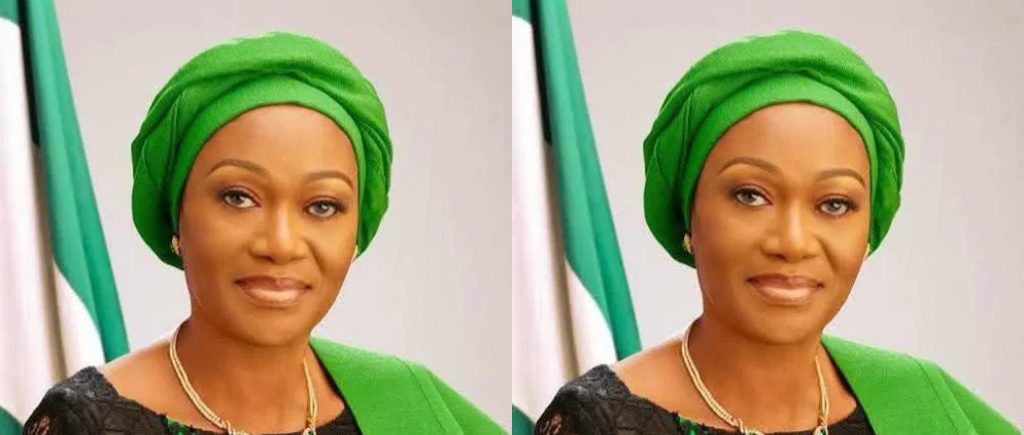
Nigeria’s First Lady, Oluremi Tinubu, has clarified that her women empowerment programme is not limited to akara sellers, saying it also supports tomato, pepper, vegetable, and bole (roasted plantain) vendors, as well as other petty traders.
Speaking during an empowerment programme in Jigawa State, the First Lady dismissed reports suggesting that only akara sellers were targeted under the initiative.
According to her, her office has already provided ₦100 million to empower 2,000 women petty traders in the state, with each beneficiary receiving ₦50,000 to help recapitalise their businesses.
“I know they’ve been talking that I said akara. It’s not only akara. We also have tomato sellers, those selling pepper, vegetables and others in the market. We’ll continue to empower them and add to their resources so that their trade can really be sustainable.”
Tinubu explained that the programme was designed to strengthen existing small businesses and improve the livelihoods of women across the state.
She added that criticism of the initiative would not distract her office from its objectives.
“We are not intimidated by all those wrong reports. We are forging ahead and making sure that our people are well cared for. We will continue to care in the capacity we have.”
The First Lady also expressed optimism about Nigeria’s future, urging young people to recognise the country’s abundant natural resources beyond crude oil.
Recalling a recent trip during which she saw vast orange orchards, she described the experience as “mind-blowing” and encouraged Nigerians to explore the country’s agricultural potential.
“I pray that our young people will see the resources we have in this nation. We have not even begun to explore them because we are thinking it’s oil, but there are so many things.”
She concluded by urging Nigerians, especially the younger generation, to remain hopeful and take ownership of the country’s future, stressing that Nigeria is richly blessed with resources.


Leave a Reply