
- The Senate has denied claims that it rejected electronic transmission of election results.
- Senate President Godswill Akpabio clarified that the provision remains part of Nigeria’s electoral law and that recent amendments did not roll back existing reforms.
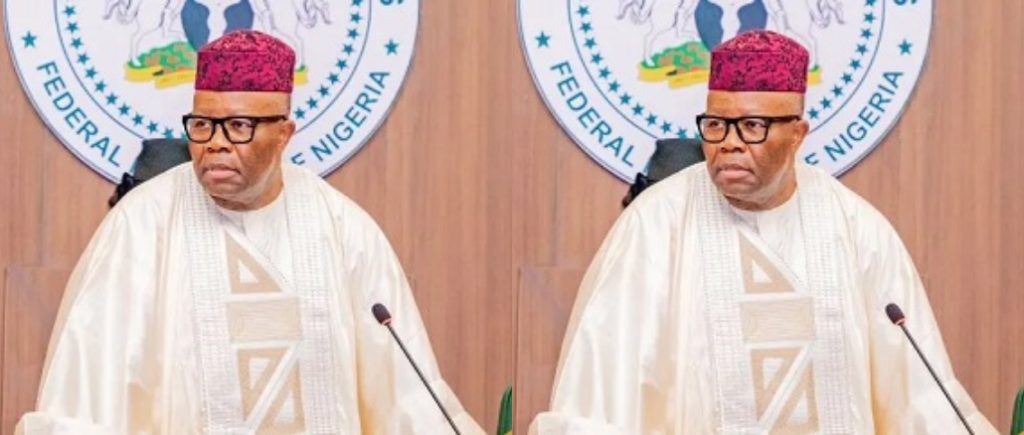
The Senate has dismissed reports claiming it voted against the electronic transmission of election results during the consideration of the Electoral Act (Amendment) Bill.
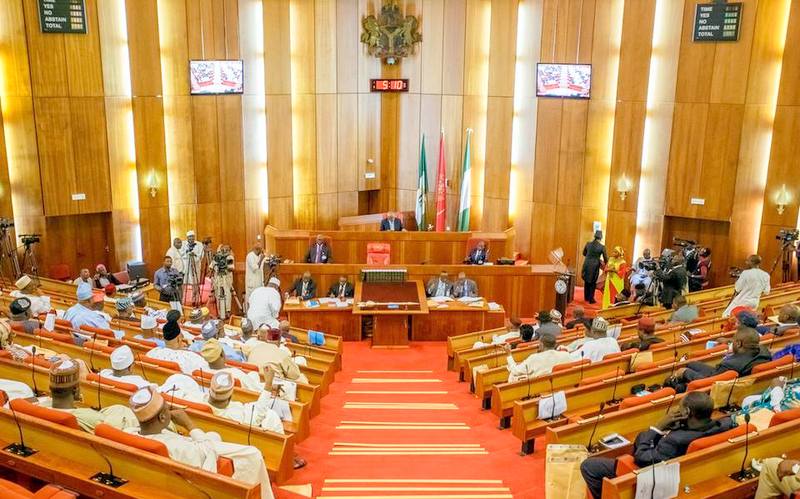
Senate President Godswill Akpabio clarified the issue shortly after the upper legislative chamber passed the bill following a plenary session that lasted over four hours. The debate, which focused on the amendment to Clause 60, Subsection 3, generated widespread reactions and speculation on social media.
Reports circulating online suggested that lawmakers had rejected a proposal mandating presiding officers of the Independent National Electoral Commission (INEC) to transmit polling unit results electronically to the INEC Result Viewing (IReV) portal in real time. Instead, it was claimed that the Senate retained a clause allowing results to be transmitted “in a manner as prescribed by the Commission.”
Addressing the claims, Akpabio described the reports as misleading, stressing that electronic transmission of election results was not removed from the law.
“This Senate has not rejected electronic transmission of results,” he said, explaining that the chamber only retained provisions already existing in the law and previously applied during the 2022 elections.
According to him, electronic transmission remains part of Nigeria’s electoral system, and the amendment did not reverse any progress made in past reforms. He urged the public not to rely on misinformation circulating online, noting that official records of Senate proceedings are available for verification.
Akpabio further stated that maintaining electronic transmission aligns with the Senate’s commitment to credible and transparent elections, adding that his clarification was necessary to address public concerns.
Electronic transmission of results remains one of the most debated issues in Nigeria’s electoral reforms, particularly since the 2023 general elections, with civil society groups continuing to push for clearer legal backing.

Leave a Reply