
- PENGASSAN says the old Port Harcourt Refinery is 90% rehabilitated and can resume operations within a week if approved by NNPC Ltd. However, profitability concerns may be delaying its restart.
- Osifo, however, insisted that the refinery is technically ready to function and that the delay in restarting operations is tied more to profitability concerns than mechanical challenges.
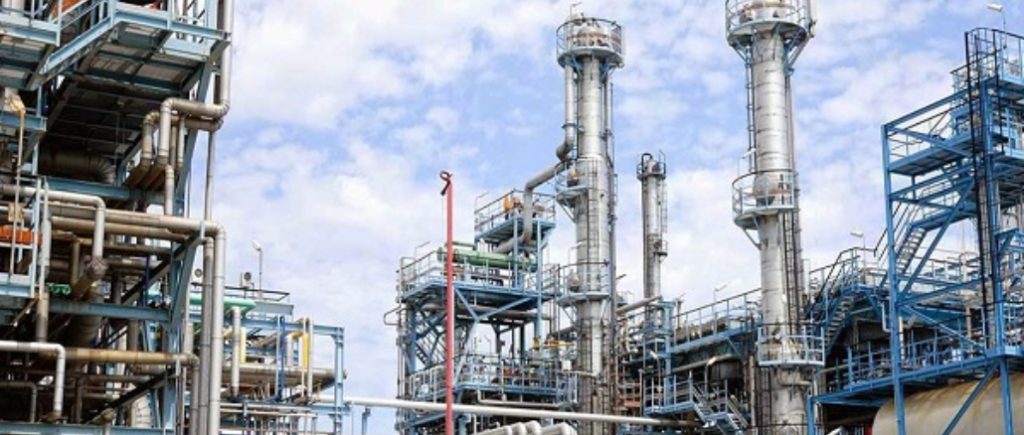
The Petroleum and Natural Gas Senior Staff Association of Nigeria (PENGASSAN) has revealed that the old Port Harcourt Refinery has been rehabilitated to about 90 percent and could resume operations within a week, subject to approval from the Nigerian National Petroleum Company Limited (NNPC Ltd).
PENGASSAN President, Festus Osifo, made this known on Tuesday during an appearance on Channels Television’s The Morning Brief. His comments come amid fresh controversy over the viability of Nigeria’s state-owned refineries, following remarks by NNPC Ltd Group Chief Executive Officer, Bayo Ojulari, who suggested that reopening the refinery could amount to a waste of resources.
Osifo, however, insisted that the refinery is technically ready to function and that the delay in restarting operations is tied more to profitability concerns than mechanical challenges.
“As of today, you can start the old Port Harcourt refinery, and it will function. You can put it on today, and it will function. However, NNPCL as a company is there to make a profit,” he said.
“So, if they want to start it today, within the next week, they can bring it back to life. It has been rehabilitated up to about 90 per cent.”
He explained that financial considerations remain a major factor, noting that refining operations could lead to losses depending on crude oil prices and market returns.
“If you feed crude oil worth, say, five million dollars into the old Port Harcourt refinery, what you are likely to get at the other end when you sell the petroleum products may be about 4.5 million dollars,” Osifo added.
Despite concerns about profitability, Osifo maintained that the funds invested in the rehabilitation were not wasted. He highlighted key upgrades at the facility, including the replacement of compressors, control rooms, and panels, stating that the refinery’s asset value has significantly improved compared to its pre-rehabilitation condition.
Leave a Reply