
- NAMA has warned that Nigeria’s aging radar system is deteriorating, raising concerns about airspace safety and calling for urgent government intervention.
- The agency explained that weakened radar systems could make it more difficult for air traffic controllers to maintain safe distances between aircraft, increasing the risk of mid-air incidents and potential violations of international aviation standards.
Nigeria’s aviation sector is facing renewed pressure following warnings that deteriorating radar infrastructure could soon affect the country’s ability to effectively monitor aircraft within its airspace.
The Nigerian Airspace Management Agency (NAMA) raised the alarm on April 10, 2026, noting that its Total Radar Coverage of Nigeria (TRACON) system has significantly aged and is now operating beyond its expected lifespan.
According to experts, the system once central to real-time aircraft tracking is now struggling due to obsolete components, lack of spare parts, and limited upgrades, raising safety concerns for air traffic control operations nationwide.
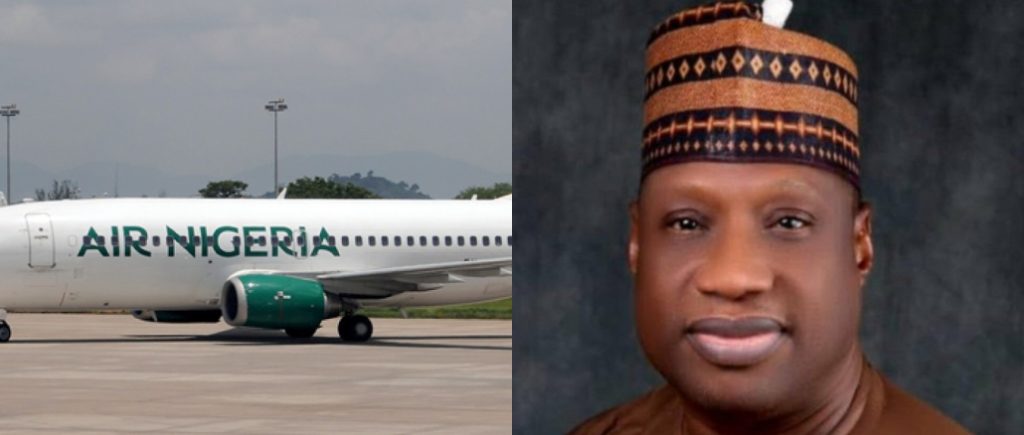
NAMA’s Managing Director, Farouk Umar, described the situation as critical, stressing the urgent need for intervention.
“Our area of urgent attention includes air traffic surveillance services. The TRACON system has aged significantly, and many of its components are now obsolete without replacements. Some parts are operating without backup, which puts our airspace at serious risk of losing effective surveillance.”
He explained that weakened radar systems could make it more difficult for air traffic controllers to maintain safe distances between aircraft, increasing the risk of mid-air incidents and potential violations of international aviation standards.
Umar also pointed to financial challenges affecting the agency’s ability to maintain infrastructure.
“Financial constraints are worsening the situation. A 30 per cent deduction from our internally generated revenue affects our ability to maintain critical infrastructure. Operational costs have increased, yet our service charges remain outdated, making sustainability difficult.”
In response, government officials have acknowledged the urgency of the issue and pledged support to address the challenges facing the sector.
The development echoes previous concerns within Nigeria’s aviation industry, as similar infrastructure issues had prompted upgrades to the TRACON system between 2008 and 2010, which temporarily improved surveillance capabilities.
Leave a Reply