
- Oyedele explained that those earning ₦250,000 or less are classified as poor, based on Nigeria’s economic realities and household structure.
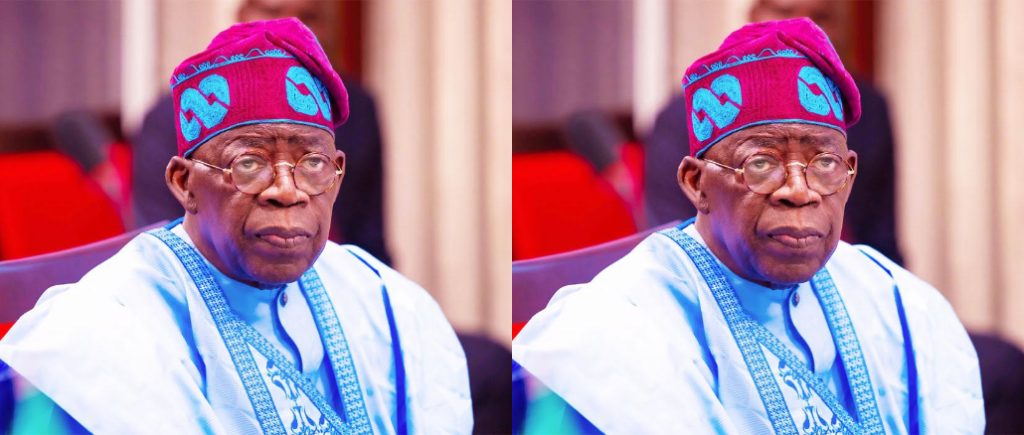
Nigerians earning ₦250,000 or less monthly will no longer pay personal income tax, according to Taiwo Oyedele, chairman of the Presidential Committee on Fiscal Policy and Tax Reforms.
He made this known on Channels TV after President Tinubu signed four new tax bills into law. The new policy takes effect from January 2026.
“This tax law will not put cash in your pocket, but at least it won’t take cash away from you if you are poor,” Oyedele explained.
Oyedele explained that those earning ₦250,000 or less are classified as poor, based on Nigeria’s economic realities and household structure.
“We debated extensively to determine who should be classified as poor in Nigeria. The World Bank might say $2.15 per day per person, but in reality, there are people who live in villages, produce their own food, and don’t spend much on transportation or utilities. So, we adjusted our poverty line based on the Nigerian context,” he said.
Oyedele explained that the committee factored in an average household size of five people, with two income earners, leading to the ₦250,000 benchmark.
“If a household earns ₦250,000 or less, they can only cover basic needs. They are considered poor, and they should not be taxed,” he stated.
President Tinubu’s July 2023 tax reform committee aims to modernise Nigeria’s tax system, promote fairness and boost revenue without overburdening citizens.
Middle-income earners (₦1.8 m–2m monthly) will receive relief, while high-income earners face modest rate hikes.
“The middle class, estimated at around ₦1.8 million to ₦2 million per month, will experience some tax relief. But for high-income earners, there will be a modest tax increase,” he added.
The new laws, effective January 2026, target a 70% tax-revenue gap by improving efficiency, protecting businesses and ensuring the wealthy pay their fair share.

Leave a Reply