
- The International Council for Ifa Religion has expressed strong disapproval over the burial of the late Awujale of Ijebuland, Oba Sikiru Adetona, vowing to take legal action against the Ogun State Government.
- Oba Adetona, who died on Sunday, July 13, 2025, at the age of 91, was laid to rest following Islamic traditions.
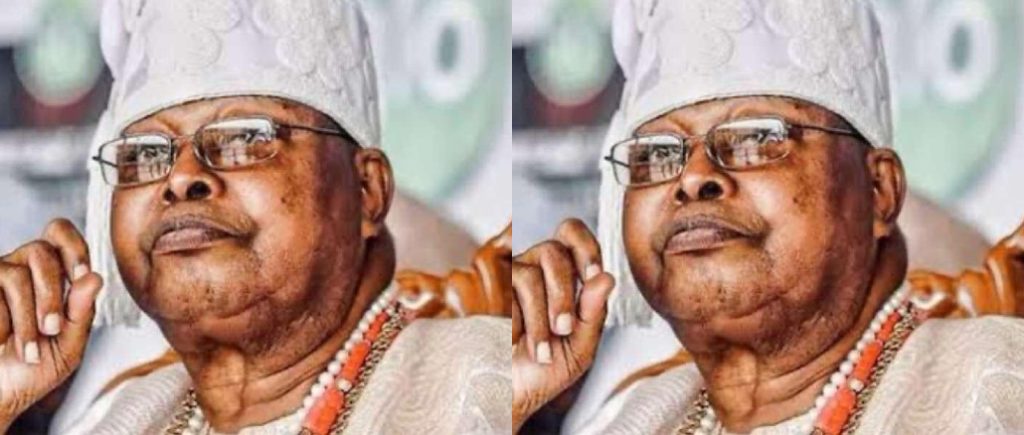
The International Council for Ifa Religion (ICIR) has expressed strong disapproval over the burial of the late Awujale of Ijebuland, Oba Sikiru Adetona, vowing to take legal action against the Ogun State Government and the monarch’s family for allegedly violating traditional burial customs.
Oba Adetona, who died on Sunday, July 13, 2025, at the age of 91, was laid to rest following Islamic traditions. However, the ICIR insists this contradicts Yoruba cultural laws that govern the interment of traditional rulers.
During a press briefing on Saturday, the ICIR President, Dr. Fayemi Fatunde Fakayode, and the organization’s legal adviser, Barrister Ifasola Opeodu, accused both the state authorities and the late king’s family of neglecting constitutional and cultural duties associated with royal burials.
Fakayode cited a previous court ruling which emphasizes that traditional monarchs in Yorubaland must be buried following indigenous rites, not foreign religious practices such as Islam or Christianity.
He also acknowledged the calm displayed by the Osugbo Confraternity—the group traditionally charged with conducting burial rites—for refraining from confrontation despite allegedly being sidelined during the process.
“The decision to bury Oba Adetona under Islamic rites blatantly violates Part 8, Section 55, Sub-section II of the Ogun State Chieftaincy Law,” Fakayode stated. “We applaud the Osugbo Confraternity for their composure and for upholding the spirit of Òrúnmìlà, even under provocation.”
He further stressed that the issue goes beyond burial preferences, warning that continued disregard for traditional customs could erode the cultural foundation of the Yoruba people.
“This is not merely about funeral rites. It’s about safeguarding our collective identity. Undermining these customs threatens the very fabric of our heritage,” he warned.
Fakayode also condemned the conduct of law enforcement officers and state officials during the funeral, describing their treatment of traditionalists as disrespectful and unacceptable.
Backing the council’s stance, Barrister Opeodu emphasized that the actions of the state, the deceased’s relatives, and religious clerics were not only culturally inappropriate but legally flawed.
“These acts infringe on the rights of practitioners of traditional religion and raise serious concerns for democratic principles,” Opeodu said. “What transpired at the burial was unlawful and deeply disrespectful to our cultural institutions.”
He particularly criticized the involvement of the Chief Imam of Ijebu-Ode and other clerics, accusing them of promoting lawlessness by disregarding state regulations.
Opeodu concluded by stating that the ICIR would initiate legal proceedings to ensure all parties involved are held accountable and to prevent future violations of Yoruba traditions.


Leave a Reply