
- Nnedi Okorafor is a renowned Nigerian writer and New York Times bestselling author.
- She expressed reservations about her involvement with Marvel Studios’ Black Panther.
- Okorafor’s concerns focused on the portrayal of Africa through the fictional nation of Wakanda.
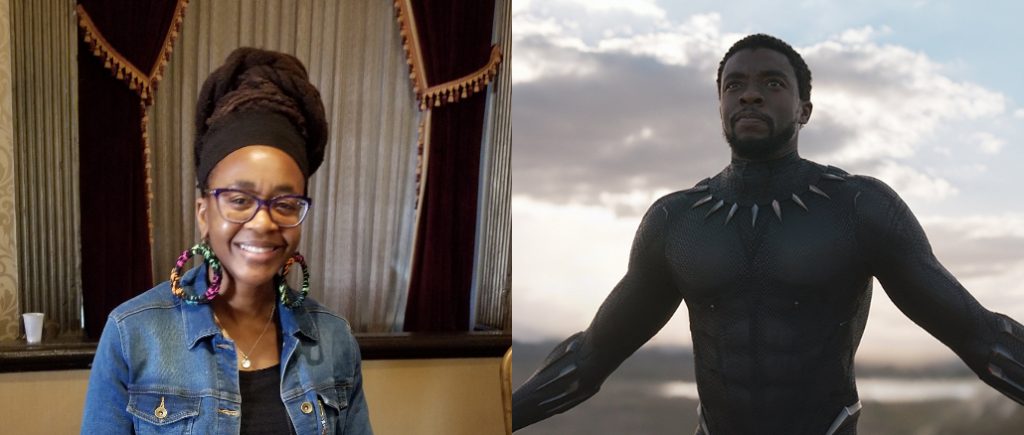
Renowned Nigerian writer and New York Times bestselling author, Nnedi Okorafor, has opened up about the reservations she had while working on Marvel Studios’ Black Panther, citing deep concerns about how Africa was portrayed through the fictional nation of Wakanda.
In an interview with Al Jazeera English, Okorafor explained that her unease stemmed from tensions between Wakanda’s storyline and her own views on African history, culture, and identity.
She noted that one of the most difficult aspects for her was the depiction of Wakanda as a highly advanced and affluent African nation that deliberately isolated itself from the rest of the world. According to her, this raised troubling questions about why such a powerful country would have remained passive during periods of colonialism and other traumatic moments in Africa’s history.
Okorafor also criticised the way Wakanda’s global connections appeared to lean more toward the United States than toward other African countries, a dynamic she felt undermined the idea of continental solidarity.
Beyond that, she admitted feeling uncomfortable with the concept of monarchy itself. The portrayal of Wakanda as a kingdom ruled by a king conflicted with her personal beliefs, further adding to her hesitation about the project.
Known internationally for her contributions to African literature, fantasy, and science fiction, Okorafor has built a celebrated career that earned her global acclaim. Marvel’s decision to bring her into the Black Panther franchise placed her at the heart of one of the world’s most influential comic universes.
Despite her initial doubts, she ultimately agreed to take on the role, seeing it as a unique opportunity to influence and redefine the story from within. She referenced her work Long Live the King as an example, explaining that she intentionally wove in symbolic moments to make leadership in Wakanda feel more human and accessible.
One such scene depicts the king walking barefoot into a community a quiet but powerful image meant to challenge the idea of distant royalty and bring authority closer to the people.
See post below:
Read some comments below:
@eckx__:”👏👏 i been saying this Black Panther was imperial propaganda aimed especially at youth. so many kids now think Africa and wakanda are the same and know nothing about the Black Panther party.”
@bettycollins8:”I had some of those same thoughts, and with popular fantasy in genl, the emphasis on monarchy. Still, the movie had a stunning aesthetic. Loved the costumes esp.”
@athrazhur:”It’s a non African story. No Africa would envision such a perspective. It is a story designed to fit into a universe of colonial barbarism. These are not our fantasies, it’s another form of slavery, intellectual slavery to defeatists ideology.”
@just_a_jesus_lovingal:”She had major moral questions regarding the whole Wakanda idea but she still did it and profited off it. Hmm”
@rasullcob:”Lmfao 😆😂 it’s a movie negroes in America have this delusional ideology of this Utopia type world that doesn’t even exist it’s a marvel movie for God’s sake this is why we as a people are never going to be United because of fantasies and beliefs of this black Utopia that’s never going to happen the fact that she said oh I can’t write the script for black panther because I don’t like the concept of a monarch Africa always had monarchs or kings in ancient times what is she talking about”
@brian_kj_johnson:”She sounds completely ridiculous”
Leave a Reply