
- Bishop Alexander Ibezim of the Anglican Diocese of Awka has been accused in a petition to the EFCC of illegally selling church lands worth over ₦2 billion and pocketing ₦752 million.
- However, the Diocesan Board has cleared him of wrongdoing, insisting all transactions were transparent and funds went into diocesan accounts.
- The EFCC is expected to review the petition amid growing divisions in the church.
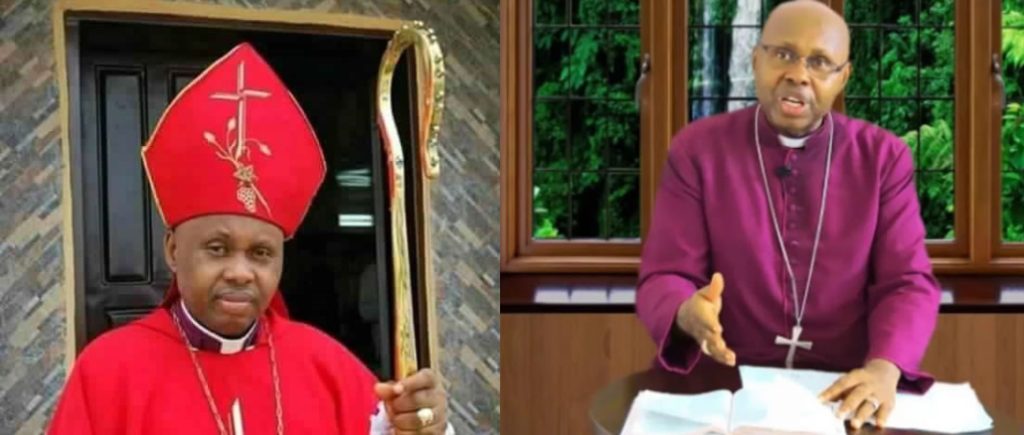
The Anglican Diocese of Awka has been thrust into the spotlight after a petition was filed with the Economic and Financial Crimes Commission (EFCC) accusing its Bishop, His Grace Most Rev. Alexander Chibuzo Ibezim, of involvement in land fraud worth more than ₦2 billion.
The petition, dated July 28, 2025, was filed by Chief G. Tagbo (SAN) on behalf of Prince Bonti Echezona Onuigbo of St. Faith Cathedral, Awka. It alleged that Bishop Ibezim had sold off multiple parcels of church land acquired under his late predecessor, Archbishop Maxwell Anikwenwa, without following proper procedures. According to the petition, the Bishop was said to have personally pocketed about ₦752 million from the sales, with the total value of stripped assets exceeding ₦2 billion.
Properties listed in the petition include plots of land at Ifite, Amansea, and the high-value Ngozika Estate in Awka, allegedly sold to individuals, a transport company, and other prominent figures. The petition further claimed that critics of the transactions were pressured and even offered inducements to remain silent.
Diocese Responds
In response to the growing controversy, the Awka Diocesan Board convened on August 18, 2025, to review the allegations. At the meeting, key officials including the Diocesan Treasurer, Financial Secretary, and Secretary of the Land Committee presented records of the transactions. They stated that all land sales were approved by the appropriate committees and that proceeds were paid directly into diocesan accounts, not personal ones.
The Board subsequently issued a statement clearing Archbishop Ibezim of wrongdoing, describing the petition as “false, malicious, and politically motivated.” They insisted that the Bishop had acted within the constitution of the Church of Nigeria and that all proceeds from land transactions were properly documented and used for diocesan development.
Ongoing Scrutiny
While the EFCC is expected to review the petition and decide whether to open a full investigation, the case has already stirred division within the diocese. Some members continue to demand transparency and accountability, while others have rallied behind the Bishop, praising him for his stewardship and spiritual leadership.
The controversy underscores the increasing scrutiny on how religious institutions manage their assets, as well as the reputational risks leaders face when questions arise about transparency and governance.


![“Use whatever you want to give to me to pay salaries” - Bishop Rejects N25M Donation From Governor Ben Ayade [Video]](https://www.gistlover.com/wp-content/uploads/2022/08/ben-ayade.jpg)
Leave a Reply