
- DSS has summoned Senator Yusuf Datti Baba-Ahmed, former Labour Party vice-presidential candidate, for questioning.
- The summons is related to recent public remarks he made that are perceived as inciting against the Nigerian State, particularly his claims of a “constitutional crisis” and comments blaming the judiciary and military for allowing the swearing-in of the current administration.
- The DSS stated that the session is preventive, not punitive, intended to clarify his intent and prevent narratives that could fuel unrest.
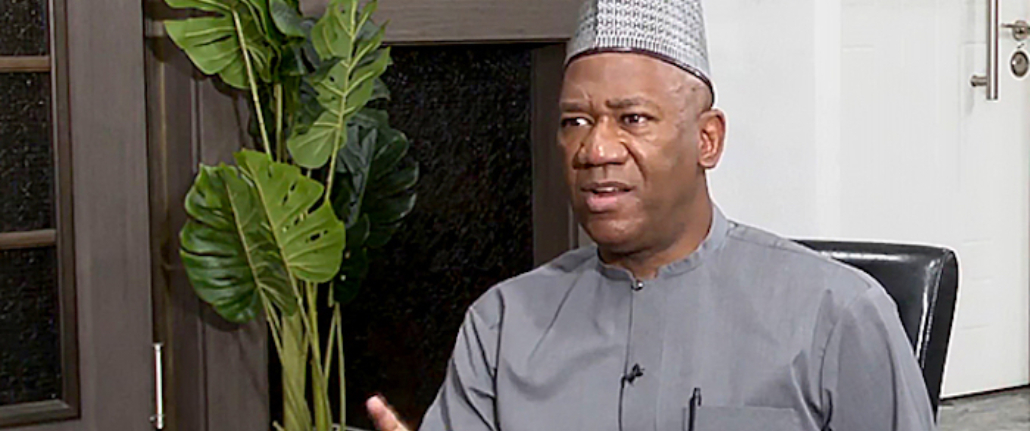
The Department of State Services (DSS) has summoned Senator Yusuf Datti Baba-Ahmed, the founder of Baze University and former Labour Party vice-presidential candidate, for questioning over recent public remarks perceived as inciting against the Nigerian State.
Sources told Zagazola Makama that the invitation follows growing concerns over Baba-Ahmed’s recent comments across various media platforms, particularly those bordering on his claims of a “constitutional crisis.”
A source indicated that the former lawmaker’s comments were seen as crossing a line, especially his remarks concerning the inauguration of the current administration:
“A few days ago, Baba-Ahmed was on national television blaming the judiciary and the military for allowing the swearing-in of President Bola Tinubu and Vice President Kashim Shettima. He even went to the length of inciting the military that it was President Tinubu’s swearing-in that made it possible for them to look you in the face and call you ‘bloody fools.’”
The source warned that Baba-Ahmed’s inflammatory comments carry undertones capable of heightening national tension, especially given the current sensitive political climate, and that the secret police are treating the comments with caution.
The DSS views the engagement as preventative, not punitive, aimed at clarifying his intentions:
“These sessions are not punitive; they are preventive, focused on clarifying intent, contextualizing the remarks, and preventing the emergence of narratives that could unintentionally fuel unrest.”
![Prominent Politicians behind the Invasion Of National Assembly Revealed [See Details]](https://www.gistlover.com/wp-content/uploads/2018/08/2face2.jpg)
Leave a Reply