
- Past comments made by Bishop Matthew Kukah, where he appeared to describe systematic violence against Nigerian Christians as genocidal and criticized the government’s inefficiency, have resurfaced online.
- This follows his recent viral remarks where he denied an ongoing genocide, arguing that the term must be defined by intent.
- Social media users are now debating the apparent contradiction between his 2020 assessment (where he linked Fulani herdsmen violence to genocide) and his current stance.
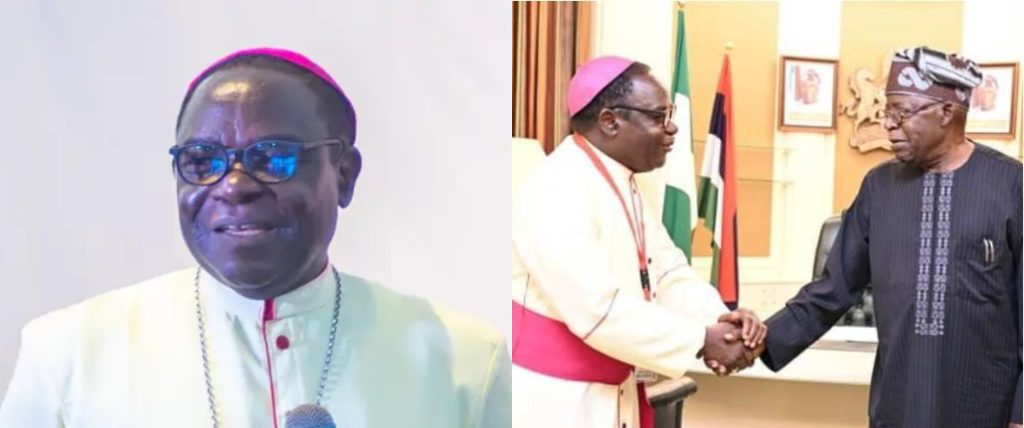
Nigerians on social media are debating an apparent contradiction in statements made by Bishop Matthew Kukah, the Catholic Bishop of Sokoto, regarding the security crisis facing Christians in Nigeria.
This follows his recent viral remarks where he denied an ongoing genocide or persecution of Christians, arguing that genocide must be defined by intent, not casualty numbers, and that Christians hold a strong position in the Nigerian economy.
Resurfaced 2020 Statement
Social media users have reshared the Bishop’s 2020 comments from an interview with Catholic charity Aid to the Church in Need (ACN). In that interview, Bishop Kukah appeared to describe the systematic violence against Nigerian Christians as genocidal.
He specifically stated that violence perpetrated by Fulani herdsmen constituted genocide and noted that the execution of aid workers by ISWAP was part of a broader campaign of terror.
In his 2020 interview, Bishop Kukah also criticized the government and security apparatus for their role in enabling the crisis:
“There are multiple levels of funding and, with time, terrorism has been able to fund itself by criminality, violence, kidnappings… Governments have also paid huge sums of money for ransom… The inefficiency of the military has made the terrorists bolder, and there are issues of complicity at various levels.”
He further described Nigeria’s desperate situation:
“The evidence is there for all to see that Nigeria is an epicenter of terrorism in the region.”
The resurfacing of these strong past statements has led many Nigerians to question the apparent shift in the Bishop’s assessment of the security situation between 2020 and his recent denial of ongoing genocide.

Leave a Reply