
- Leader of the UK Conservative Party, Kemi Badenoch, has criticised Nigeria’s governance record, arguing that decades of poor public policy have prevented the country from fully benefiting from its vast natural resources.
- Speaking about how her upbringing in Nigeria shaped her political ideology, Badenoch said the country’s persistent electricity challenges and economic struggles reflect the consequences of ineffective governance.
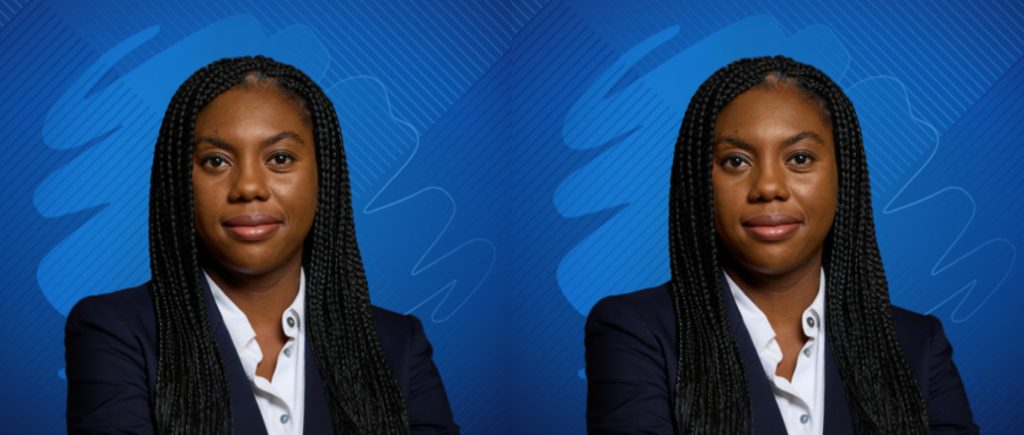
Leader of the UK Conservative Party, Kemi Badenoch, has criticised Nigeria’s governance record, describing the country’s long-standing electricity challenges as a consequence of poor public policy.
Speaking on how her upbringing shaped her political beliefs, Badenoch argued that Nigeria’s vast natural resources have not translated into prosperity for many citizens due to years of ineffective governance and policy decisions.
“Nigeria is an oil-producing country that has never had electricity. “It is very easy to have resources under the ground, but st¥pid public policy means that you can’t use them.” she said
The British politician also drew parallels between policies she opposes in the United Kingdom and approaches adopted by past Nigerian military governments.
“And I see quite a lot of what Ed Miliband is doing as being very much like what the Nigerian military dictatorships were doing in the 1980s and 1990s,” she stated.
According to Badenoch, excessive government control and wealth redistribution policies often produce negative economic outcomes.
“The government’s going to take control. We know what’s best. We’re going to redistribute. These are st¥pid ideas that eventually just bankrupt the country,” she said.
Reflecting on her childhood experiences in Nigeria, Badenoch explained that growing up in a developing country continues to influence her views on governance, economic management and public policy.
“Fundamentally, my views about how we should run our country come from growing up in a place that was very poor. You grow up in a third-world country and you look at why it is termed ‘third world,’ and I don’t want that to happen here,” she added.



Leave a Reply