
- NAFDAC has declared BON Bread safe for consumption after investigating viral claims about its unusually long shelf life.
- The agency confirmed that the preservatives used in the bread were within approved global safety standards and found no harmful substances in the product.
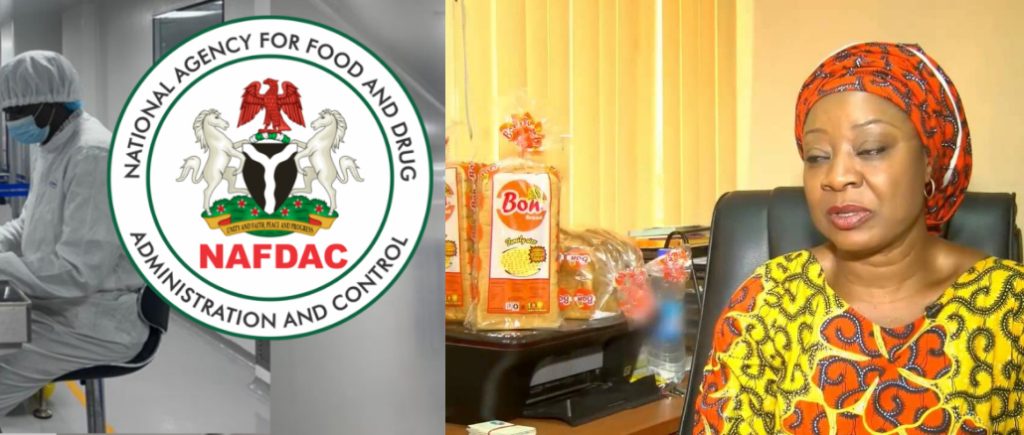
The National Agency for Food and Drug Administration and Control (NAFDAC) has confirmed that BON Bread is safe for consumption following a scientific investigation into viral claims surrounding the product’s shelf life.
The agency stated that the preservative used in the bread production process falls within approved international safety limits.
The controversy began on April 13, 2026, after a blogger identified as Love Dooshima shared a viral video expressing concern over a loaf of bread that allegedly stayed fresh for nearly two months without developing mould.
Although no brand was mentioned in the video, the manufacturer of BON Bread reportedly identified the product as theirs and denied the allegations.
The incident later escalated after the company filed a ₦50 million lawsuit against the blogger. She was subsequently detained by the Nigeria Police Force after honouring an invitation at the Zone 7 Police Headquarters in Abuja over allegations including cyberstalking and fraud.
According to reports, she was released the following day after the intervention of the Inspector-General of Police, Olatunji Disu.
Reacting to the controversy, NAFDAC Director-General, Prof Christianah Adeyeye, said the agency launched an investigation due to the widespread reactions online and the need to provide the public with “evidence-based scientific proof.”
She explained that officials from NAFDAC’s Greater FCT Directorate inspected the company’s Abuja bakery on April 20 and collected bread samples from both the production facility and the open market for laboratory analysis.
According to Adeyeye:
“Laboratory findings revealed that calcium propionate was used as preservative, and that the amount of the preservative used was within the limits specified in Codex Alimentarius (Food Code).”
She further disclosed that the bread samples tested satisfactory and did not contain harmful substances.
“The bread samples analysed did not contain objectionable substances, including bromate and non-nutritive sweeteners,” she added.
NAFDAC also revealed that the company had been producing bread since 2006 and had successfully passed several product licence renewals without penalties or recalls.
The agency stressed that extending shelf life through approved preservation methods is allowed under global food safety standards.
“The public is hereby informed that the company is not in violation of any of the agency’s regulations,” Adeyeye stated.
The Director-General also advised Nigerians to report concerns about regulated products directly to NAFDAC instead of relying solely on social media.
She urged the public to use the agency’s offices, electronic platforms, and newly launched call centre to lodge complaints for proper investigation.
Leave a Reply