
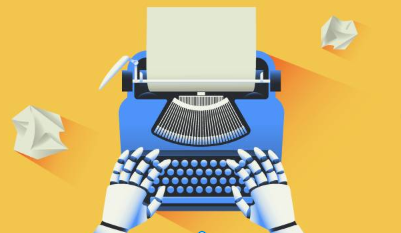
Have you ever read something online and thought, “Did a human write this, or did a machine?”
If that question has crossed your mind recently, you’re in good company. AI-generated text is now showing up in news articles, blog posts, product descriptions, academic papers, and social media content. It’s everywhere, and it’s getting better all the time.
Here’s the thing: understanding how AI-written text works isn’t just for tech people anymore. It’s becoming a basic skill, like knowing how to evaluate a source or spot a biased headline.
The people who develop this skill early will be better readers, better communicators, and sharper thinkers in a world where AI content is only going to grow.
What AI-Written Text Actually Is
A lot of people have a vague sense that AI “makes stuff up” or “copies from the internet.” The reality is more interesting than either of those descriptions, and understanding it properly changes how you read AI content.
AI language models are trained on enormous collections of text. They learn the patterns of how words, sentences, and ideas fit together across millions of documents.
Prediction, Not Thinking
When an AI writes a sentence, it’s essentially predicting the most statistically likely next word based on the context it’s been given. It does this over and over, token by token, to produce a full response.
This is genuinely impressive, and it produces text that reads fluently and often accurately. But it also means the AI isn’t “thinking” the way a person does. It’s pattern-matching at a very high level.
Understanding this helps explain why AI text sometimes sounds confident even when covering topics that require careful reasoning or lived experience. The fluency comes from pattern recognition; the accuracy depends on what the model was trained on and how the prompt was framed.
The Role of the Prompt
One thing many people don’t realize is how much the prompt shapes the output. A vague instruction produces generic text. A specific, well-constructed prompt produces something much closer to what a skilled writer might produce.
This is useful context because it means AI text quality varies enormously depending on who’s using the tool and how they’re using it. Two pieces of AI-generated content can feel completely different in quality, depth, and voice, even if they came from the same underlying model.
How to Recognize AI-Generated Writing
Reading AI text with awareness isn’t about catching it out; it’s about understanding what you’re reading so you can evaluate it appropriately. Just like you’d read a press release differently from an investigative report, understanding the source shapes how you use the information.
Some patterns show up frequently in AI-generated writing, though they’re becoming subtler as models improve.
Common Stylistic Patterns
AI text often has a few recognizable tendencies:
- Very even structure: paragraphs tend to be similar lengths, and transitions between them are smooth to the point of feeling formulaic
- Confident but general statements: AI tends to state things clearly and confidently, sometimes without the hedging or qualification a human expert might include
- Limited personal voice: AI writing often lacks the small quirks, specific references, and distinctive rhythms that come from a real person’s writing style
- Comprehensive coverage: AI tends to hit all the expected points on a topic, sometimes at the expense of going deep on any single one
None of these patterns on their own confirm something was AI-written. But when several appear together, it’s a reasonable signal to read a little more critically.
Using Verification Tools
There are now tools built specifically to help readers and educators identify AI-generated content. Some of these are available as an AI detector free option online, making them accessible to anyone who wants to check a piece of writing quickly.
These tools analyze things like sentence entropy, perplexity scores, and writing consistency to estimate the likelihood that text was machine-generated. They’re not perfect, and they work better on longer text samples, but they’re a useful starting point for anyone building this skill.
Comparing Tone and Specificity
One practical exercise is to compare a piece of writing to what you’d expect from a genuine human expert on that topic. A real specialist usually brings in specific details, names real constraints, mentions counterarguments, or references their own experience in some way.
AI text tends to stay in the generalist lane. It covers the topic competently but rarely brings the kind of specificity that comes from someone who has actually worked in a field for years.
Why This Skill Matters for Everyone
It would be easy to think this is mainly a concern for academics or journalists. In practice, AI literacy matters for almost every adult navigating daily information.
Think about the contexts where you regularly consume written content:
- Health information: Understanding whether an article was human-reviewed or auto-generated helps you calibrate how much weight to give the advice.
- Product reviews: AI-generated reviews are increasingly common; knowing how to spot them helps you find genuine customer feedback.
- News and opinion pieces: The line between human and AI authorship is becoming blurry; reading with awareness helps you seek out pieces with real sourcing and attribution.
- Educational content: Students and teachers alike benefit from understanding the difference between researched human writing and AI-generated summaries.
This isn’t about distrust. It’s about reading smarter.
Teaching AI Literacy in Everyday Life
One of the most practical things you can do is start building this awareness through regular practice. You don’t need a formal course or a technology background to do it.
Reading Actively
Active reading means asking questions as you go. Who wrote this? What’s their basis for knowing this? Are there specific examples, or just general claims? Does this feel like something a person with real experience would write?
These questions are useful for evaluating all writing, AI-generated or otherwise. The habit of asking them sharpens your judgment over time.
Talking About It With Others
AI literacy spreads through conversation. When you notice something worth discussing, sharing it with a colleague, student, or family member builds collective awareness.
A simple “I think this might be AI-written, here’s why” conversation does more than it might seem. It models the habit of critical reading and opens up a useful shared language for thinking about content quality.
Practicing With Known Examples
A fun and effective way to build this skill is to take pieces you already know were AI-generated and read them carefully. Notice what patterns show up. Then compare them to writing from a human author you respect. The differences become more obvious the more you practice making the comparison.
What This Means for Writers and Creators
If you create content yourself, for work, for a blog, or for any professional purpose, understanding how AI text works also helps you make your own writing stand out.
Human writing that carries a real point of view, draws on specific experience, and takes genuine positions on things is increasingly valuable precisely because it’s distinct from what AI produces.
The things that make writing feel human, the slight imperfections, the strong opinions, the personal stories, the unexpected turns of phrase, are now features, not bugs. Leaning into those qualities makes your writing more memorable and more trustworthy.
A Skill Worth Building Now
AI-generated text isn’t going anywhere. The models will keep improving, the volume of AI content will keep growing, and the line between human and machine writing will keep shifting.
The readers and communicators who invest in understanding how this works right now will be better equipped for everything that follows. Like any literacy skill, it builds on itself over time, and the earlier you start, the stronger your foundation becomes.



Leave a Reply